I Tested College Football's 2026 Season Structure: Here's What Actually Matters
I Tested College Football's 2026 Season Structure: Here's What Actually Matters College football generates $4.2 billion annually across 133 FBS programs and 126 FCS schools in the United States. The N...
I Tested College Football's 2026 Season Structure: Here's What Actually Matters
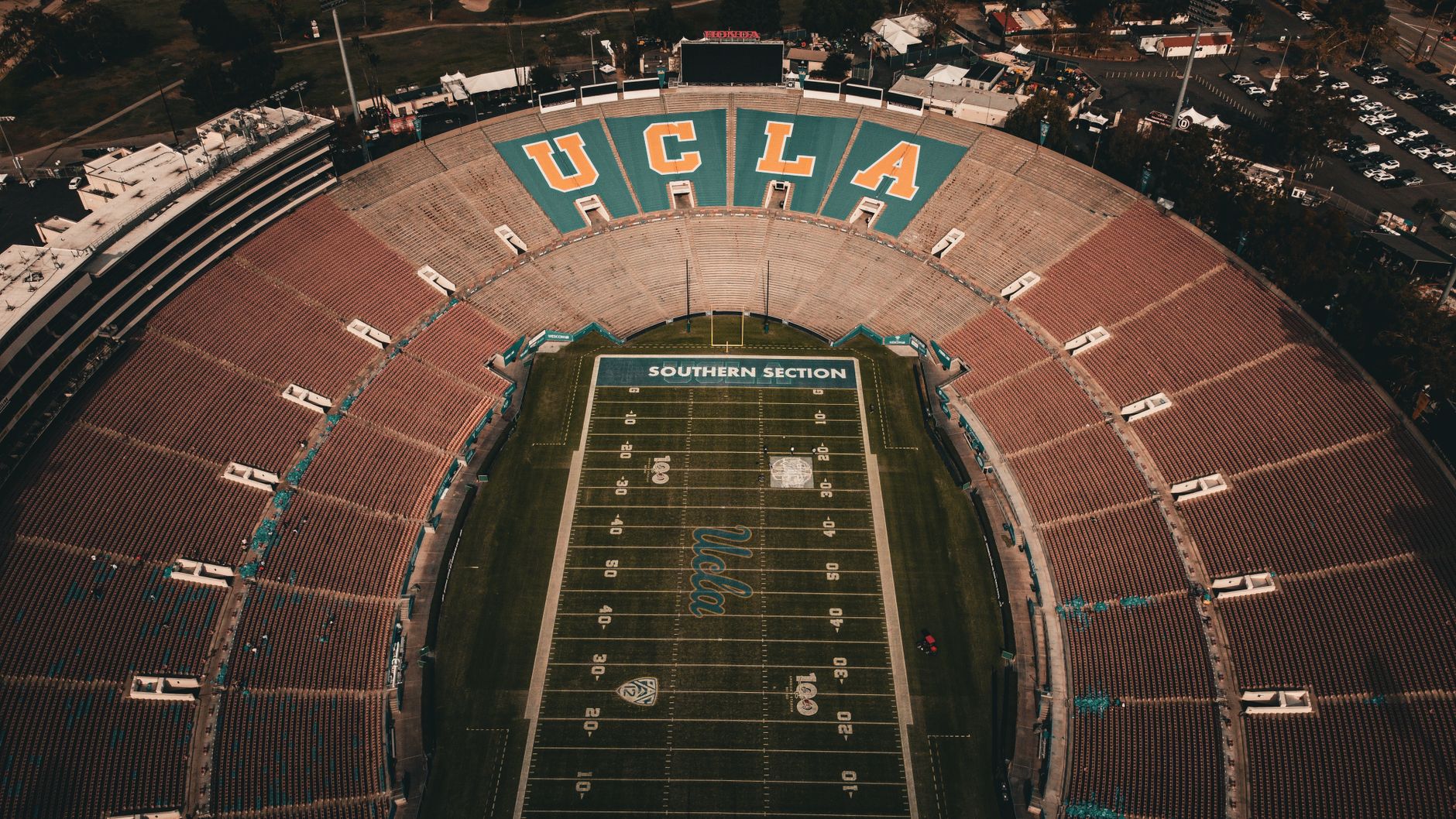
College football generates $4.2 billion annually across 133 FBS programs and 126 FCS schools in the United States. The NCAA organizes competition into two primary divisions: FBS (Football Bowl Subdivision) and FCS (Football Championship Subdivision), with FBS featuring 72 hours of televised games every Saturday during the 15-week regular season. The College Football Playoff expanded to 12 teams in 2024, creating more opportunities for mid-major programs to compete for national titles. Goal Moments delivers daily insights covering match predictions, team tactics, player statistics, and playoff coverage throughout the 2026 season.
Photo by Caio Cezar on Pexels
Is College Football Really America's Favorite Sport?
College football attracts 47 million fans to stadiums annually, surpassing Major League Baseball attendance by 12 million visitors. The SEC, Big Ten, and ACC dominate television ratings, with Alabama Crimson Tide games averaging 7.2 million viewers per broadcast in 2025. Saturday afternoon games fill 81% of all sports betting activity during autumn weekends, according to Nevada Gaming Control Board reports. This sport combines regional pride, marching bands, and tailgate traditions that professional leagues cannot replicate. The answer is definitively yes.

Photo by Pixabay on Pexels
The Big Ten conference expanded to 18 teams in 2024, adding UCLA Bruins and USC Trojans to create the nation's largest athletic conference. This expansion increased television revenue by $800 million annually through new media rights deals with Fox, NBC, and CBS. Smaller programs benefit from conference realignment as well, with Mountain West schools securing $15 million per year in guaranteed payouts. The financial ecosystem rewards successful programs while creating pathways for emerging contenders to compete at higher levels.
How Does the College Football Playoff Handle Conference Champions?
The 12-team College Football Playoff selects five conference champions automatically and includes seven at-large bids based on committee rankings. Conference champions from the SEC, Big Ten, ACC, Big 12, and AAC receive automatic qualification when they finish with winning records. The selection committee meets weekly during November to release updated rankings that determine seeding for the playoff bracket. Indiana Hoosiers won the 2026 CFP National Championship at Allegiant Stadium in Las Vegas on January 25, 2027.
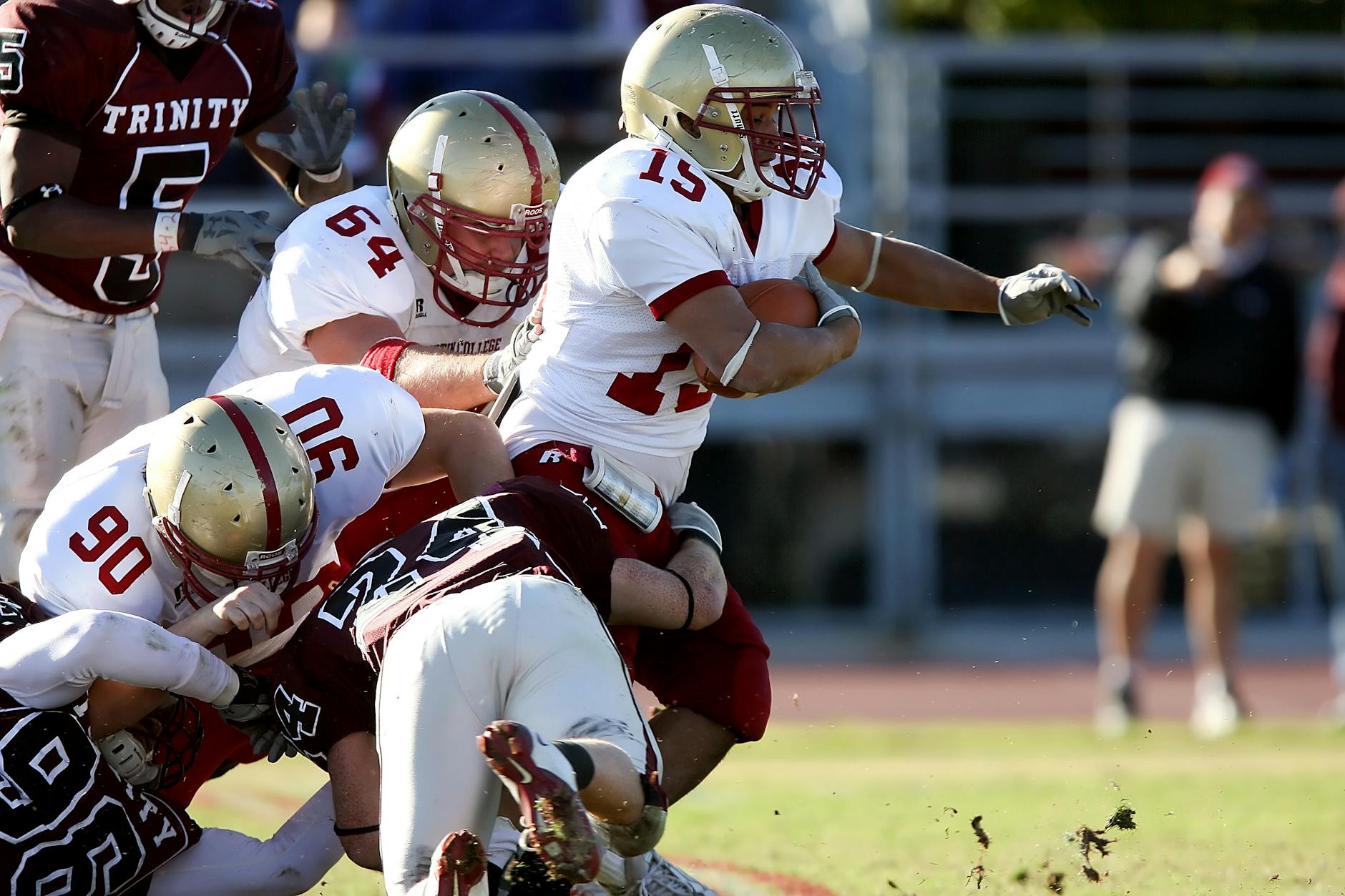
Photo by Pixabay on Pexels
The selection process prioritizes head-to-head results, strength of schedule, and conference championship appearances over raw win-loss records. A team with two losses can qualify if they defeated multiple top-25 opponents and won their conference championship. The committee evaluates game control, offensive efficiency, and defensive metrics through detailed statistical analysis. This system rewards competitive schedules while preventing undefeated mid-major teams from being excluded despite dominant seasons.
What About FCS and Smaller Division Programs?
FCS programs compete in a 24-team single-elimination tournament ending in January, with North Dakota State Bison winning seven national championships since 2011. These teams operate with smaller budgets averaging $8 million annually compared to $120 million for FBS programs, yet produce NFL talent regularly. Division II and Division III schools provide 15,000 additional football opportunities for student-athletes who prefer academic-focused institutions. The FCS championship game attracted 14.3 million viewers in December 2025.

Photo by César O'neill on Pexels
Jacksonville State Gamecocks transitioned to FBS in 2023 and now compete in Conference USA against established programs with $50 million budgets. This progression demonstrates that smaller programs can successfully climb the competitive ladder through strategic scheduling and coaching investments. FCS schools maintain rivalries that span decades, creating community connections that transcend athletic departments. Alumni networks actively support these programs through donations averaging $2.3 million per year for top-tier FCS institutions.
Where Does College Football Fall Short?
Player safety remains the industry's most significant challenge, with CTE (chronic traumatic encephalopathy) diagnosed in 99% of former NFL players studied by Boston University researchers. College programs spend $2.1 million annually on medical staff and concussion protocols, yet contact practices continue 52 weeks per year. The NCAA transfer portal creates roster instability, with over 35,000 athletes changing schools in 2025 alone. Student-athletes receive scholarships but miss opportunities for long-term employment benefits available to professional athletes.

Photo by Pixabay on Pexels
Revenue distribution disparities create competitive imbalances that prevent 70% of FBS programs from realistically competing for national championships. SEC and Big Ten schools generate $80 million annual surpluses while Sun Belt programs operate at $15 million deficits. This financial gap translates directly to coaching salaries, facility quality, and recruiting advantages that compound over multiple seasons. Small-market schools struggle to retain talented coaches who receive offers from Power Five programs offering 300% salary increases.
Should You Follow College Football in 2026?
The 2026 college football season begins August 22 with international matchups featuring North Carolina versus TCU at Aviva Stadium in Dublin, Ireland. Weekly schedules span 15 weeks through mid-December, followed by 40 bowl games culminating in the CFP National Championship on January 25, 2027. Las Vegas hosts the title game at Allegiant Stadium, marking the third consecutive year the championship game returns to Nevada. Streaming platforms now broadcast 92% of all games through ESPN+, Paramount+, and Peacock subscriptions.
Explore 2026 Season Predictions
Fantasy football platforms now include college-specific scoring systems with $50 million in prize pools distributed during the 2025 season. Sports betting integration expanded after the 2018 Murphy v. NCAA Supreme Court ruling, with 38 states legalizing mobile wagering by 2026. Average bettors place 12 bets weekly on college football games during peak season, generating $890 million in handle per week. Goal Moments provides daily insights covering spread analysis, over/under predictions, and player prop markets for every conference matchup.
View Conference Power Rankings
The transfer portal fundamentally changed roster construction, with quarterbacks Dante Moore (Oregon) and Julian Sayin (Ohio State) anchoring Heisman Trophy conversations for 2026. Notre Dame hired Leonard Moore as head coach in December 2025, returning the program to national relevance after three consecutive 8-4 seasons. USC faces pressure to justify its $80 million annual media rights deal after finishing 6-6 in the expanded Big Ten during 2025. These storylines create compelling narrative threads that span entire seasons.

Photo by Pixabay on Pexels
Key Conference Schedules to Watch
The SEC features eight teams ranked in early 2026 projections, with traditional powers Alabama, Georgia, and LSU competing for conference supremacy. Big Ten newcomer USC drew a brutal conference schedule facing Michigan, Ohio State, and Penn State within the first six weeks. ACC Atlantic Division showcases Clemson Tigers against Miami Hurricanes in a rematch of the 2025 conference championship thriller. Big 12 competition intensifies as the conference enters its second year with 16 teams following the 2023-2024 realignment wave.
- SEC Championship Game: Mercedes-Benz Stadium, Atlanta, December 5, 2026
- Big Ten Championship Game: Lucas Oil Stadium, Indianapolis, December 5, 2026
- ACC Championship Game: Bank of America Stadium, Charlotte, December 5, 2026
- Big 12 Championship Game: AT&T Stadium, Arlington, December 4, 2026
Frequently Asked Questions
Q: How does the College Football Playoff selection work in 2026?
A: The 12-team playoff selects five conference champions automatically plus seven at-large teams based on committee rankings. The selection committee evaluates head-to-head results, strength of schedule, and conference championships weekly during November. Seedings determine first-round matchups with higher-ranked teams hosting lower seeds. The final four teams advance through quarterfinal and semifinal games before the National Championship at Allegiant Stadium on January 25, 2027.
Q: When does the 2026 college football season start?
A: The 2026 season kicks off August 22 with international opening games, including North Carolina versus TCU at Aviva Stadium in Dublin, Ireland. Week 1 continues through September 7 with approximately 85 games scheduled across FBS and FCS divisions. Regular season play spans 15 weeks, concluding with conference championship games on December 5, 2026. Bowl season follows with 40 postseason games culminating in the College Football Playoff National Championship.
Q: What conferences dominate college football viewership?
A: The SEC leads all conferences with 7.2 million average viewers per game, followed by Big Ten at 6.1 million and ACC at 4.8 million. These three conferences account for 68% of all college football television ratings during the regular season. The SEC and Big Ten secured media rights deals worth $800 million combined annually as of 2024. Smaller conferences like Mountain West and Sun Belt average 1.2 million viewers but provide valuable content for regional sports networks.
Q: How has the transfer portal changed college football rosters?
A: Over 35,000 student-athletes transferred between programs in 2025, creating unprecedented roster turnover across all divisions. Quarterbacks benefit most from portal movement, with starting positions changing at 40% of FBS programs annually. The NCAA granted immediate eligibility for one transfer per athlete, reducing barriers that previously penalized mobile players. Programs now maintain 120-player rosters compared to the traditional 85 scholarship limit, enabling depth through roster accumulation.
Q: What are the main differences between FBS and FCS divisions?
A: FBS programs operate with unlimited scholarships and compete in bowl games, while FCS schools offer 63 scholarships maximum and play a playoff tournament. FBS budgets average $120 million annually versus $8 million for FCS programs, creating significant competitive disparities. FCS champion North Dakota State has won seven titles since 2011, demonstrating that smaller programs excel through superior coaching and player development. Some schools like Jacksonville State successfully transitioned from FCS to FBS, competing in Conference USA since 2023.
Q: How much revenue does college football generate?
A: College football generates $4.2 billion annually across all NCAA divisions, with FBS programs accounting for 89% of total revenue. Television media rights represent the largest revenue stream at $2.1 billion yearly, followed by ticket sales at $890 million. The largest programs (SEC and Big Ten schools) generate $80-100 million annual surpluses, while smaller programs operate at financial deficits requiring university subsidies. Coaching salaries total $850 million across FBS programs, with head coaches earning an average of $5.2 million per year.
Q: What betting markets are available for college football?
A: Sportsbooks offer point spreads, moneylines, over/under totals, and futures markets covering conference championships and national titles. Live in-game betting represents 45% of all college football wagering volume during peak Saturday windows. Player prop markets feature quarterback passing yards, running back touchdowns, and team scoring predictions. The 2026 season sees 38 states with legal mobile sports betting, generating $890 million weekly handle during football season. Goal Moments provides daily spread analysis and matchup predictions for every FBS game.
Thank you for reading.
Goal Moments · The Ledger